Safety net questions, answered by our Chennai team
Installation and fitting, choosing between 1mm and 5mm twine, rust and weather life, and how much balcony space a net really takes. If your question is not here, message us — we answer with the actual mesh and per-kg rate.
How do you anchor safety nets securely on apartment balconies in Chennai?
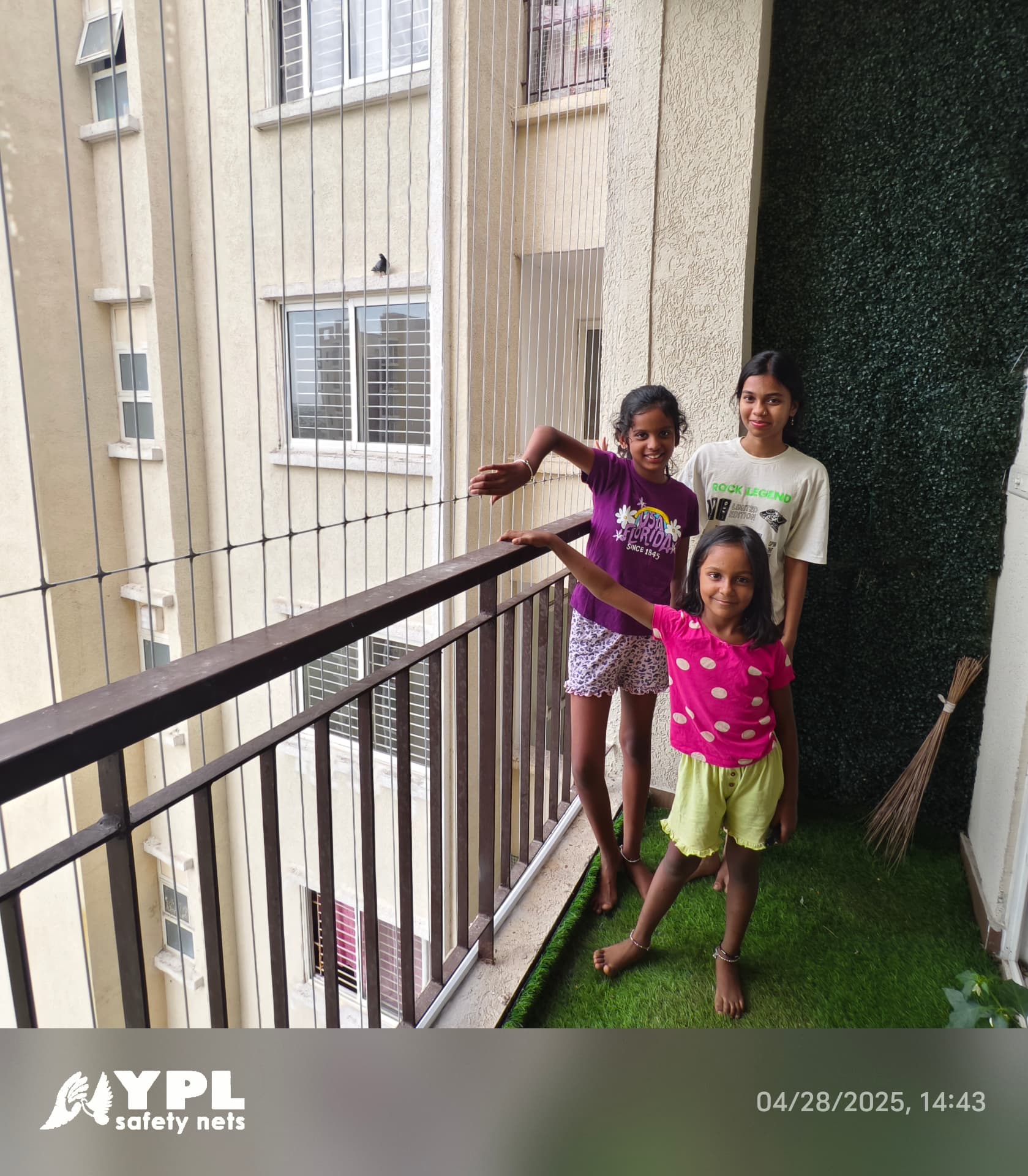
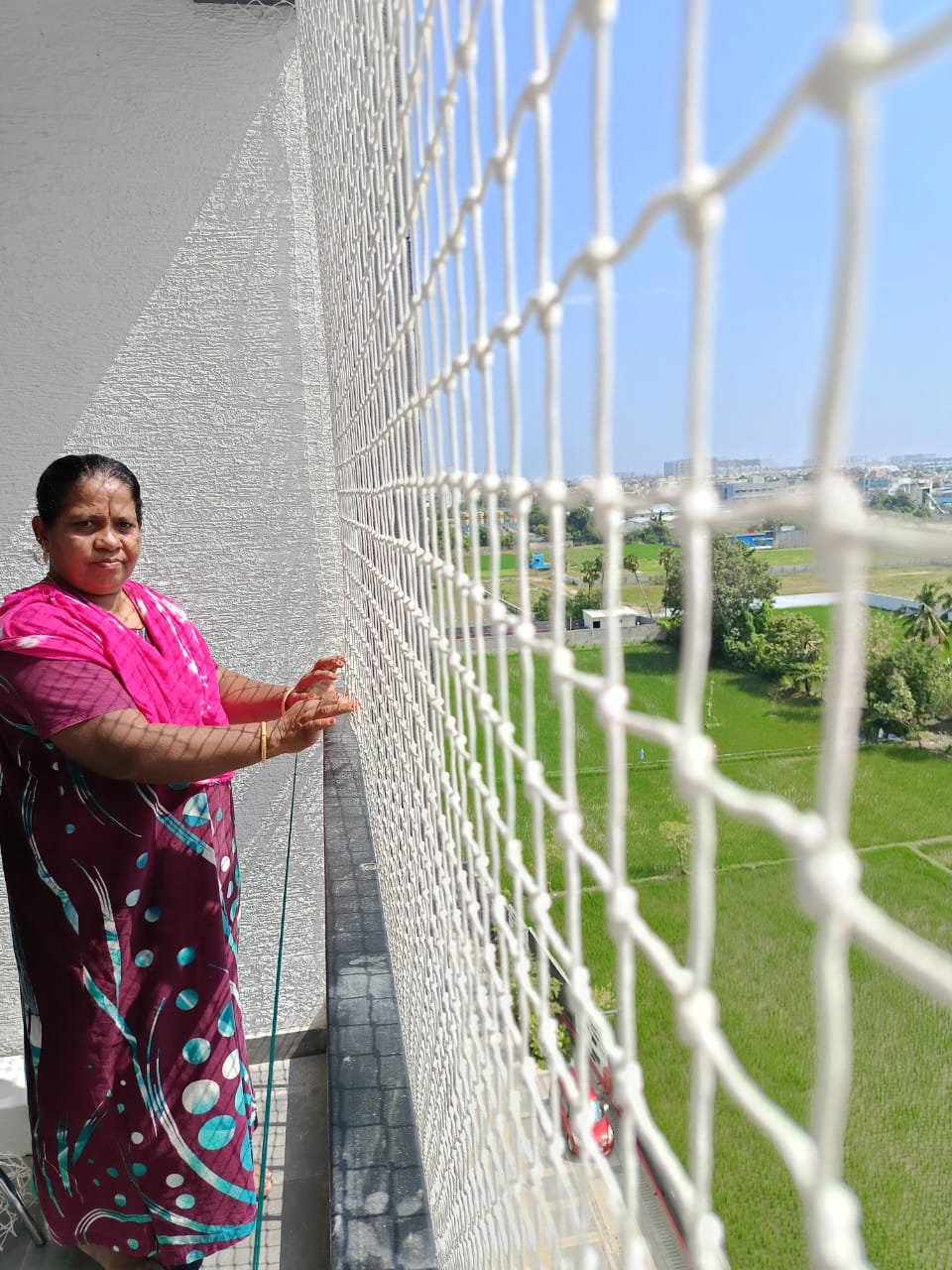
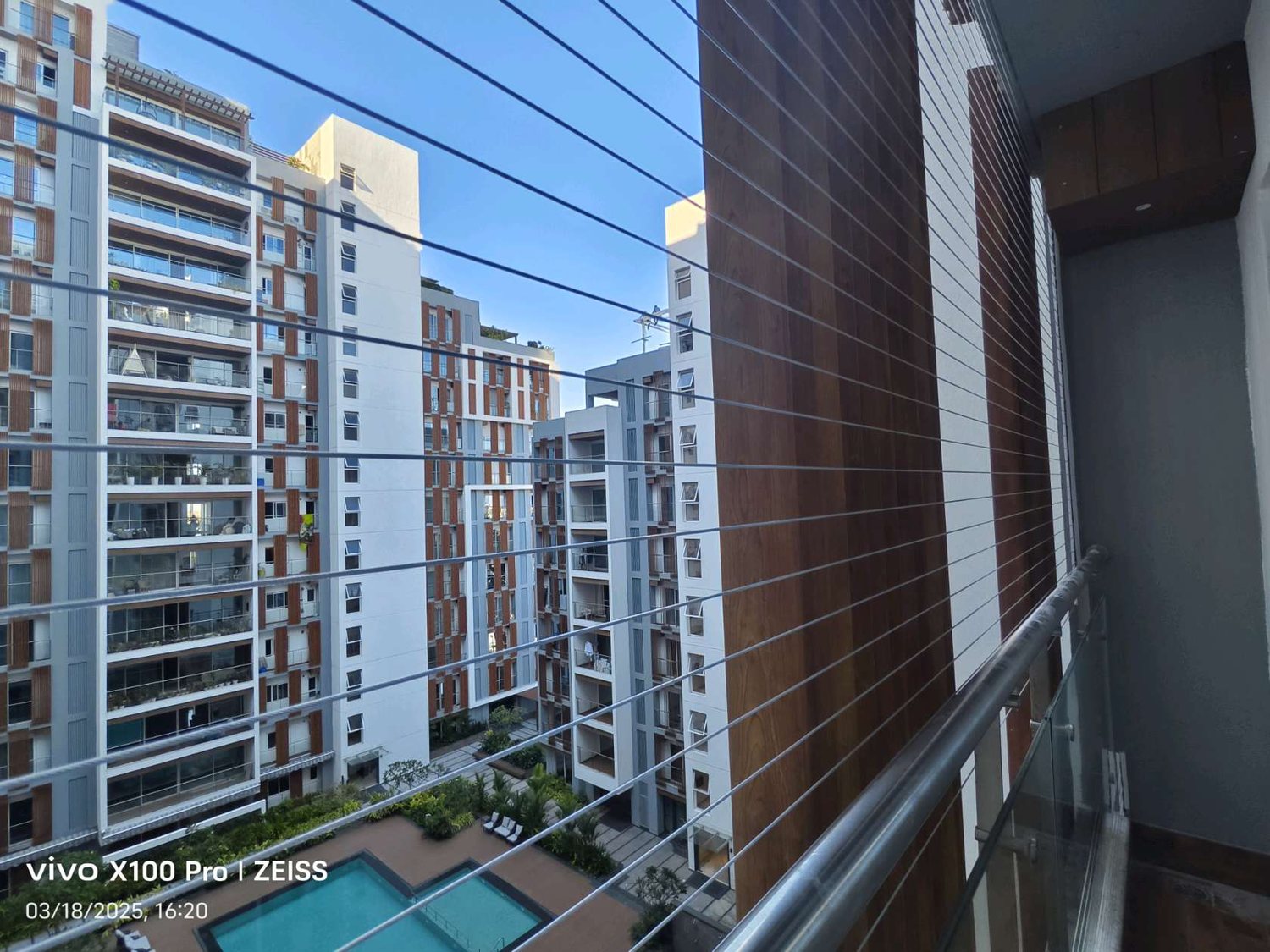
Our installation team at YPL Safety Nets begins by taking accurate site measurements of your balcony perimeter. We drill neat anchor points into the concrete beam or lintel using standard masonry bits. Heavy-duty SS 304 or galvanised anchor fasteners are driven securely to hold the boundary wire rope taut. The nylon or HDPE safety netting is then laced firmly along every single mesh square using high-strength tie cords. This perimeter stitching prevents any loose gaps, sagging corners, or unfastened edges, ensuring dependable containment across high-rise apartments in Chennai. For custom scheduling, call 9600035014.
How long does the measurement and installation process typically take?
Standard residential installations for typical apartment balconies across Chennai usually take between two to four hours per balcony. Our technicians from YPL Safety Nets inspect the structural surfaces, mark anchor spacing, install the perimeter cables, and attach the chosen net. For larger multi-balcony flats, open terrace areas, or commercial installations, work might take a full day depending on scaffolding or ladder access needs. We schedule site visits promptly across Chennai and Tamil Nadu locations. You can coordinate your preferred timing directly with our field team by calling us at 9600035014.
Can safety nets be installed without damaging tiles or structural wall plaster?
Our technicians avoid drilling directly into decorative wall tiles, parapet coping tiles, or delicate railings whenever possible. Instead, we anchor the stainless steel or galvanised fasteners directly into structural concrete lintels, brick joints, or ceiling soffits. When drilling into tiled surfaces is unavoidable, we use precision rotary masonry bits at slow speeds to prevent hairline cracking or chipping of glaze. Neat anchors are inserted flush with the surface, minimizing cosmetic impact while preserving full tensile strength. This ensures strong fixing without compromising the structural integrity of your Chennai flat.
What is the installation procedure for sports nets in outdoor grounds or terraces?
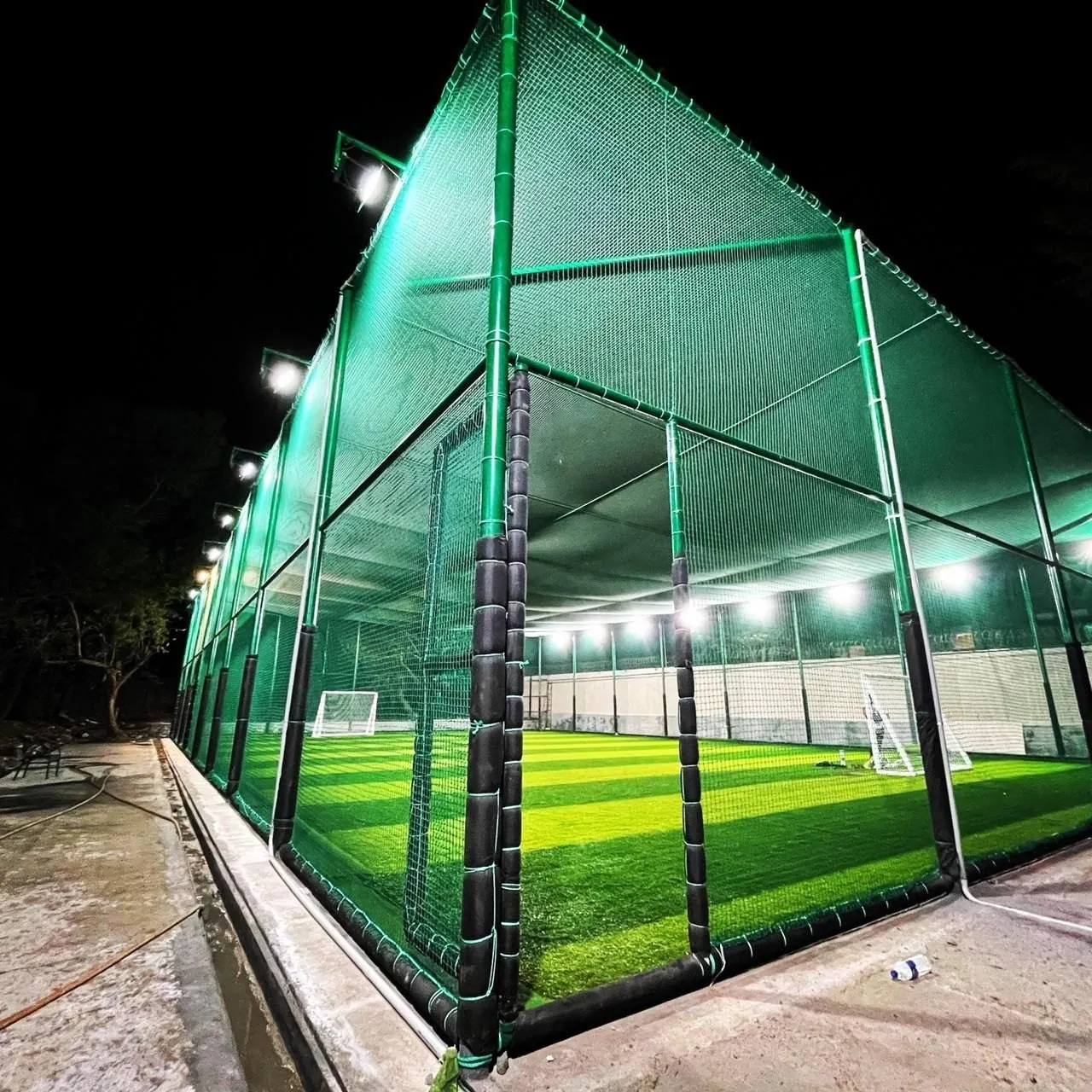
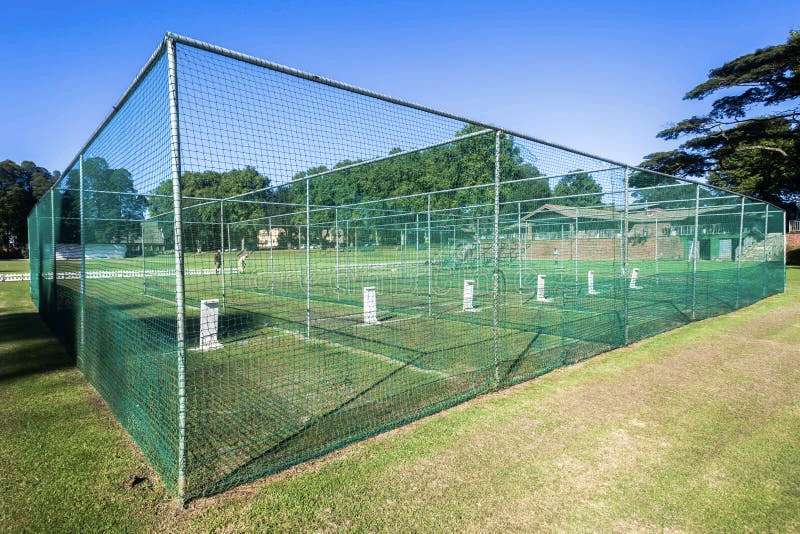
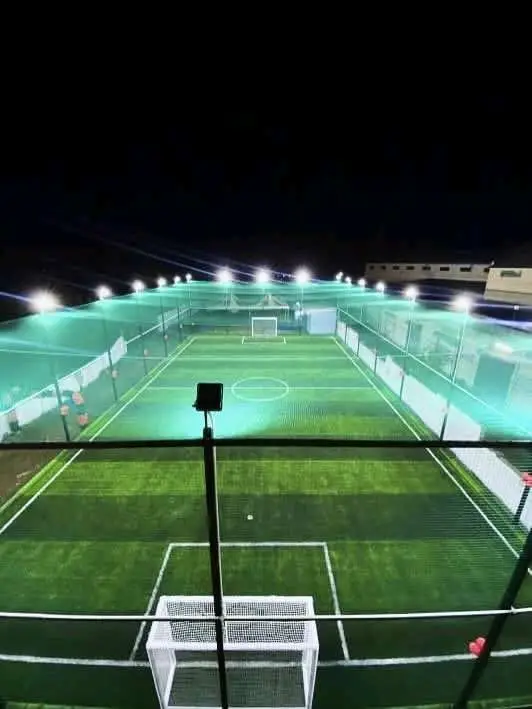
Installing outdoor sports nets for cricket practice pitches, football enclosures, badminton, or tennis courts requires setting up rigid structural support posts and tension cables. We use 2mm to 5mm HDPE or nylon netting laced onto overhead and perimeter steel guide wires. The boundary perimeter is secured tightly to ground anchors and vertical poles to withstand powerful ball impacts without tearing. For rooftop sports arenas in Chennai, wind deflection is factored into anchor tensioning so high gusts during coastal storms do not pull the framing out of true alignment.
Do you handle custom sizing and odd-shaped balcony frameworks across Chennai?
Most modern Chennai apartments feature curved balconies, open planter extensions, or uneven utility service shafts that require custom fabrication. YPL Safety Nets cuts and shapes nets directly on-site to match non-standard architectural geometry. Whether you have French windows, angular grill gaps, or open duct voids, we tailor the stainless steel perimeter cable to trace the exact profile of the building. The netting is trimmed and bound cleanly along the perimeter so there are no loose edges or bypass gaps where pigeons or domestic pets could slip through.
Choosing the right thickness
Which net thickness should I choose for pigeon control versus child safety?
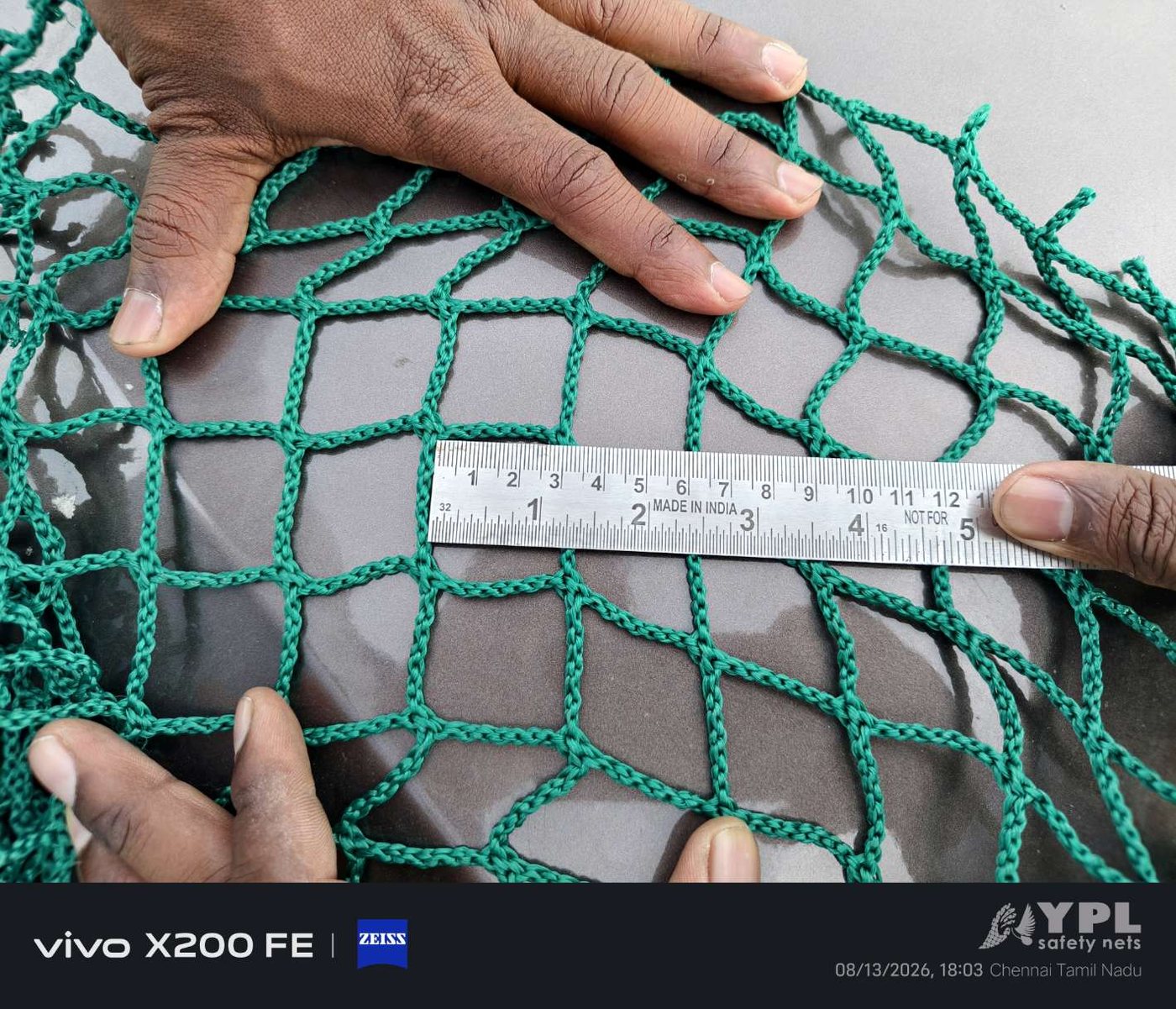
For bird exclusion, 1mm to 1.5mm nylon or HDPE nets with small mesh squares are ideal because they remain thin, lightweight, and almost invisible from street level. For child and pet safety, we strongly recommend 2mm, 2.5mm, or 3mm nets. Thicker cord diameters provide the structural breaking strength required to prevent accidental falls, resist chewing by pets, and withstand heavy accidental impacts. If you need dual protection for birds and toddlers on the same balcony, choosing a 2mm or 2.5mm net provides the best balance of safety and visibility.
What thickness is recommended for sports enclosures like cricket or football?
Sports applications depend heavily on ball velocity and impact frequency. Cricket practice nets, football rebounders, and basketball perimeter barriers demand 3mm, 4mm, or 5mm heavy-duty nets to handle repeated forceful impacts without stretching. For lighter games like badminton or tennis court dividers, 1.5mm to 2.5mm mesh provides sufficient containment while keeping the overall enclosure lightweight and easier to rig across long spans. Our sports nets are sold per kg, with 2mm to 5mm options priced between Rs 450 to Rs 550 per kg, providing heavy-duty durability for Chennai sports academies.
How does net thickness affect pricing when buying safety nets per kg?
At YPL Safety Nets, net products are supplied by raw weight. Thinner cords like 1mm to 1.5mm nets range from Rs 455 to Rs 750 per kg, as their manufacturing requires finer extrusion and tight weaving processes. Conversely, thicker cords like 2mm to 5mm nets range from Rs 450 to Rs 550 per kg. A heavier gauge net will weigh more per square meter than a lighter one, meaning your total project cost depends on both the per-kg rate and the overall net weight needed to cover your balcony area.
When are heavy-duty 4mm and 5mm industrial nets necessary?
Industrial and heavy-duty 4mm to 5mm safety nets are designed for high-risk applications including construction fall protection, factory mezzanine borders, pallet racking containment, and warehouse packing areas. These thick cords feature exceptional breaking strain, ensuring that falling building debris, loose cartons, or heavy tools are caught reliably before reaching ground personnel. In Chennai industrial estates like Ambattur or Sriperumbudur, 4mm and 5mm HDPE nets are widely used to satisfy rigorous on-site safety standards without decomposing under intense heat or chemical fumes.
What is the difference between nylon and HDPE materials across various thicknesses?
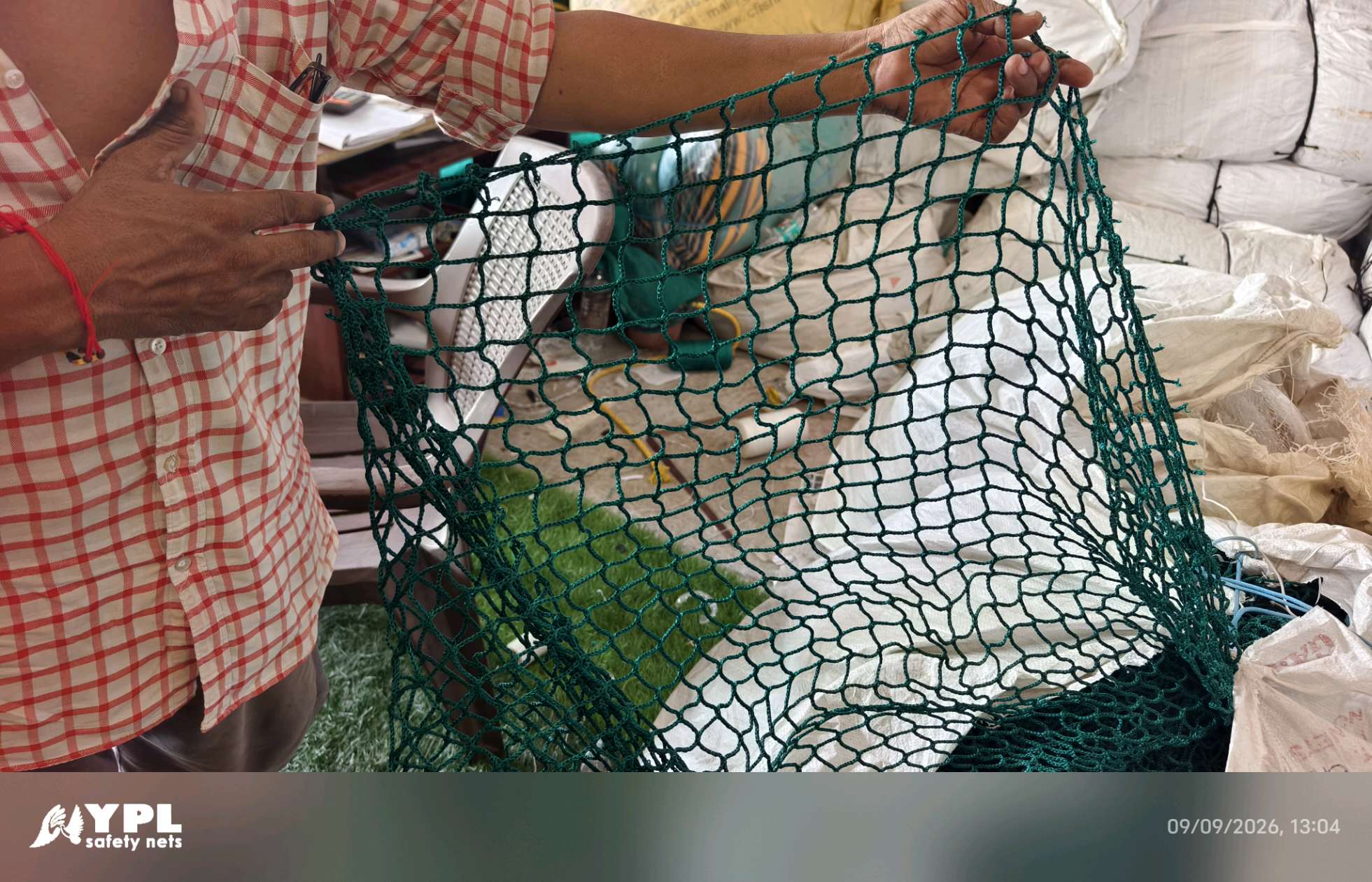
Nylon is a soft, high-tensile material with excellent elasticity and smooth knotting, making it great for residential balconies, anti-bird screens, and children safety screens where visual neatness is desired. HDPE (high-density polyethylene) is a stiffer, chemically inert monofilament material that excels in heavy-duty outdoor exposure, sports facilities, and industrial sheds. Both materials come in gauges from 1mm up to 5mm. HDPE absorbs zero water and resists salt air exceptionally well, while nylon provides greater flexibility and impact absorption under sudden load across various Chennai installations.
Rust, weather & hardware life
Why is SS 304 hardware recommended over galvanised fixtures in coastal Chennai?
Chennai has a tropical marine climate with high ambient humidity and airborne sea salt, especially in areas like OMR, ECR, and Mylapore. Galvanised hardware carries a thin zinc coating that eventually oxidises and develops red rust when exposed continuously to maritime breezes. In contrast, SS 304 grade stainless steel contains chromium and nickel, forming an invisible protective oxide layer that resists saline corrosion. For long-term peace of mind in coastal Tamil Nadu, YPL Safety Nets recommends SS 304 wire ropes, turnbuckles, and anchor fasteners over standard galvanised fixtures.
How does Chennai coastal humidity and salt air affect net durability?
Airborne salinity, fluctuating humidity, and heavy monsoon rains in coastal Tamil Nadu can degrade inferior plastic or uncertified cordage quickly. However, our UV-stabilised nylon and HDPE nets are completely immune to water rot, fungal mildew, and salt-induced embrittlement. They do not absorb saline moisture, which prevents the yarn strands from softening or losing tensile strength during rainy months. When paired with marine-grade SS 304 wall fasteners rather than low-cost galvanised hooks, your entire installation remains structurally sound and visually clean year after year despite salty sea winds.
What maintenance is required to prevent corrosion on fixtures and tension cables?
To keep your balcony net installation in top condition, periodic inspections are recommended. While SS 304 stainless steel hardware will not rust under normal conditions, dust and atmospheric salt grime can accumulate on wire ropes and turnbuckles over time. Wiping metal components occasionally with a damp microfiber cloth and checking that turnbuckles remain hand-tight ensures ongoing cable tension. If you have installed galvanised fittings instead of SS 304, inspect them every six months for surface oxidation and replace any corroded clips before they weaken the perimeter support structure.
Can galvanised wire ropes or hooks withstand monsoon weather in Tamil Nadu?
Galvanised wire ropes and hooks can handle temporary moisture, but prolonged exposure to Chennai monsoon conditions and persistent coastal air typically leads to surface rust within a couple of seasons. Once the outer zinc sacrificial layer wears away, the underlying iron wire begins to oxidise, which may cause brown stains to run down your balcony walls and weaken the tensioning line. For long-term reliability in Tamil Nadu weather, SS 304 stainless steel components are far superior to galvanised steel for residential and sports installations alike.
How UV-stabilised are your nylon and HDPE nets against harsh Chennai sunlight?
Chennai experiences intense solar radiation and high temperatures throughout most of the year, which can make untreated polymers brittle and powdery. Our nylon and HDPE safety nets are treated with UV-stabilising carbon and chemical additives during raw material compounding. This chemical stabilisation slows down photo-oxidation caused by ultraviolet rays, allowing the net fibers to retain their tensile strength and elasticity even when exposed to direct afternoon sun on west-facing balconies. The cords resist bleaching, fraying, and sudden snapping caused by everyday tropical heat.
Balcony space & daily use
Will installing a balcony safety net obstruct fresh airflow or natural sunlight?
A common concern among apartment owners in Chennai is whether installing balcony netting will make their living space dark or stuffy. Our safety nets feature open square mesh patterns, typically ranging from 25mm to 50mm depending on cord gauge. This geometry allows unhindered air circulation and lets natural sunlight illuminate your rooms completely. Because the 1mm to 2.5mm cords are slender, they remain virtually translucent against the sky, preserving scenic outdoor views while stopping intrusive pigeons, crows, and accidental fall hazards from entering your home.
Can plants, clotheslines, and balcony furniture be used normally after fitting?
Balcony safety nets are fixed along the exterior perimeter lintels and parapets, leaving your interior floor space completely open for everyday use. You can continue hanging laundry, tending to potted plants, and arranging outdoor balcony furniture without any obstruction. In fact, safety nets protect potted greenery and clothes from being blown off the ledge during gusty coastal weather or being soiled by roosting birds. Our technicians plan fastener positions carefully to ensure ceiling fans, utility clothes racks, and exterior lighting function without interference.
How do safety nets protect toddlers and pets from accidental balcony falls?
Balconies in high-rise apartments pose serious hazards for curious toddlers and active pets like cats and dogs. By installing durable 2mm or 3mm safety nets laced tightly to stainless steel anchor wires, open railings and wide parapet drop-offs are completely enclosed. The mesh squares prevent children from squeezing their heads through grill openings or tossing toys down into common areas. The net acts as an unyielding physical barrier that flexes safely upon impact, preventing tragic slips while giving parents peace of mind every day.
How easy is it to clean dust and bird droppings off installed balcony nets?
In busy urban areas of Chennai, dust and airborne soot can settle on exposed netting. Cleaning them is straightforward and does not require taking the net down. You can rinse the netting directly using a low-pressure garden hose or a handheld spray bottle filled with mild soapy water. Stubborn dirt or dried bird droppings can be wiped away gently using a soft sponge or cloth. Because HDPE and nylon do not absorb grease or moisture, grime washes away easily without staining the cord material.
What should I do if a section of the balcony net gets snagged or cut over time?
If an installed net is accidentally cut or damaged by sharp furniture edges or building repair work, you do not always need to replace the entire installation. Small snags or localized tears can be repaired on-site by splicing in matching nylon or HDPE cordage and re-tensioning the surrounding mesh. For significant structural tears or loosened anchor hardware, contact YPL Safety Nets at 9600035014. Our Chennai technicians can inspect the damage, retighten boundary cables, or replace individual net panels quickly and efficiently.
Safety net supply and installation in Chennai — what we install, how we price it and when we can come
Dedicated installation teams across Chennai localities and every major city in Tamil Nadu & Andhra Pradesh. In Chennai we work mainly on apartments, independent houses, schools and commercial buildings. The job we are called for most here is balcony safety nets, pigeon nets and bird-proofing. Every quote follows a free site measurement — nothing is estimated over the phone.
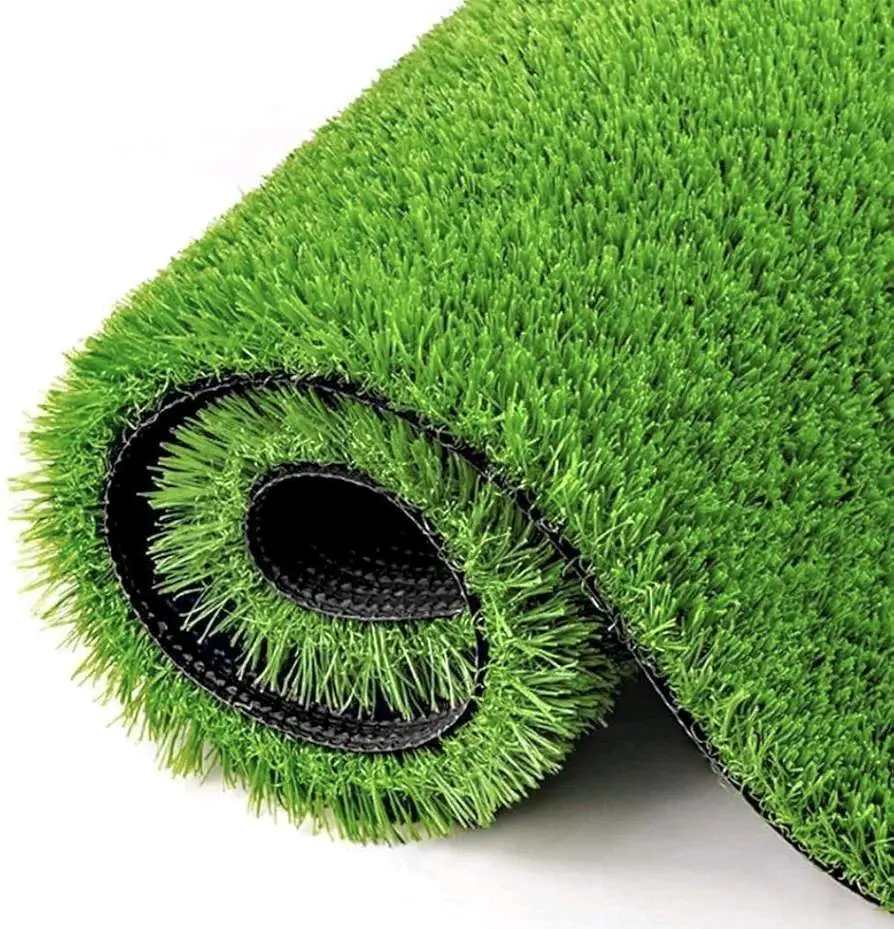
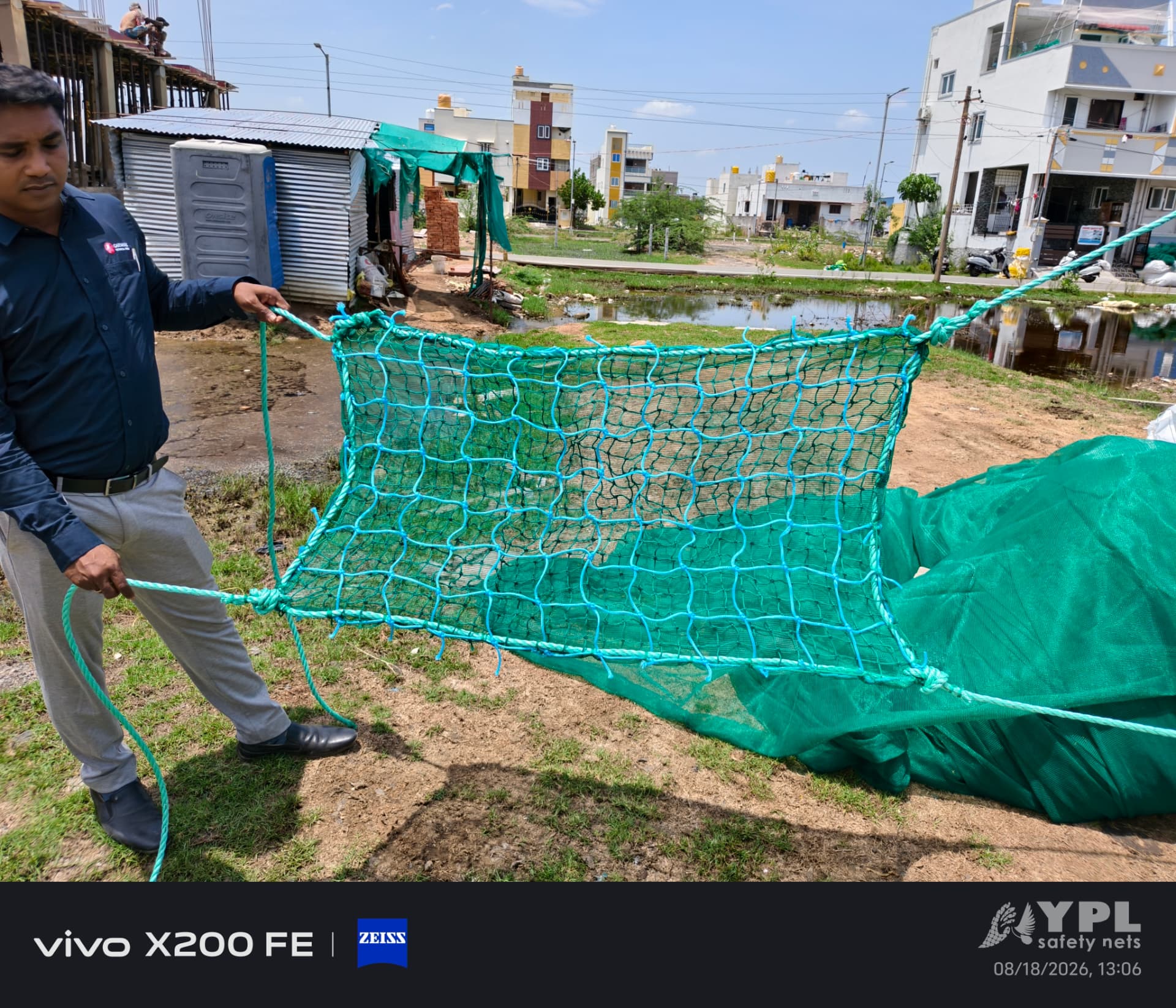
YPL Safety Nets astro turf and sports net installation in ChennaiYPL Safety Nets balcony safety net installation in ChennaiYPL Safety Nets cricket practice net installation in Chennai
Local site conditions we plan for in Chennai
Every fixing uses stainless steel hardware and UV-stabilised netting so the installation survives sun, rain and coastal wind. That decision is made on site, not in the office, because the frame material and working height change the hardware more than the netting itself.
Buildings and openings we cover
Balconies, windows, French windows and grill-front openings
Duct shafts, light wells, stilt parking and lift-lobby gaps
Terraces, parapets, staircase voids and open atriums
Schools, hostels, factories, warehouses and sports grounds
Chennai neighbourhoods and nearby stretches we reach
All main residential and commercial pockets of Chennai. Dedicated installation teams cover Chennai localities and every major city in Tamil Nadu and Andhra Pradesh.
How a safety net supply and installation job runs in Chennai
1. Free measurement and written quote
A technician measures every opening in feet, checks the frame, and gives you a per-sq.ft rate in writing before any drilling starts.
2. Fabrication and fixing
Netting is cut and rope-bordered to your exact size, anchors go in at 12–15 inch intervals, and stainless steel wire rope is tensioned across the opening before the net is laced on.
Materials used on Chennai sites
UV-stabilised HDPE and braided nylon netting, SS 304/316 hooks and eye bolts, 2.5–3mm stainless wire rope, turnbuckles for re-tensioning, and UV-resistant lacing thread.
Warranty and after-service
Every installation carries a written warranty on netting and hardware, with on-call re-tightening and repair visits in Chennai.
Recent safety net supply and installation work — before & after
Photos from our own job records in and around Chennai. The first frame is the site as we found it, the second is the finished installation.